


Let’s talk about tires. Not the shiny brochure kind. The real ones. The dusty, overworked, under-appreciated pieces of rubber that quietly carry you through traffic, snow, potholes, and the occasional questionable life decision. In Colorado — where roads can go from smooth asphalt to mountain-goat testing ground in a single afternoon — tire rotation isn’t some fancy dealership upsell. It’s basic survival for your vehicle.
What Tire Rotation Actually Does for Your Daily Drive
Tire rotation simply means moving your tires to different positions on the vehicle so they wear more evenly. Sounds simple because it is. But the payoff is huge. Front tires usually take more punishment thanks to braking, steering, and carrying extra engine weight. Leave them in place too long and they’ll wear down faster than your patience in rush-hour traffic.
Rotating them spreads that workload around. The result is better traction, smoother handling, and fewer surprises when the weather turns nasty around Denver.
How Often You Should Rotate Tires in Real Life
Most manufacturers suggest rotating tires every 6,000 to 8,000 miles. That’s a good rule of thumb. But if you spend weekends climbing into the Rockies, hauling gear, or driving through unpredictable winter conditions, your tires are working overtime. In those cases, checking rotation intervals more frequently just makes practical sense.
Think of it like changing boots on a construction crew. If one guy does all the heavy lifting, his footwear wears out first. Same logic applies here.
What Happens During a Proper Tire Rotation Service
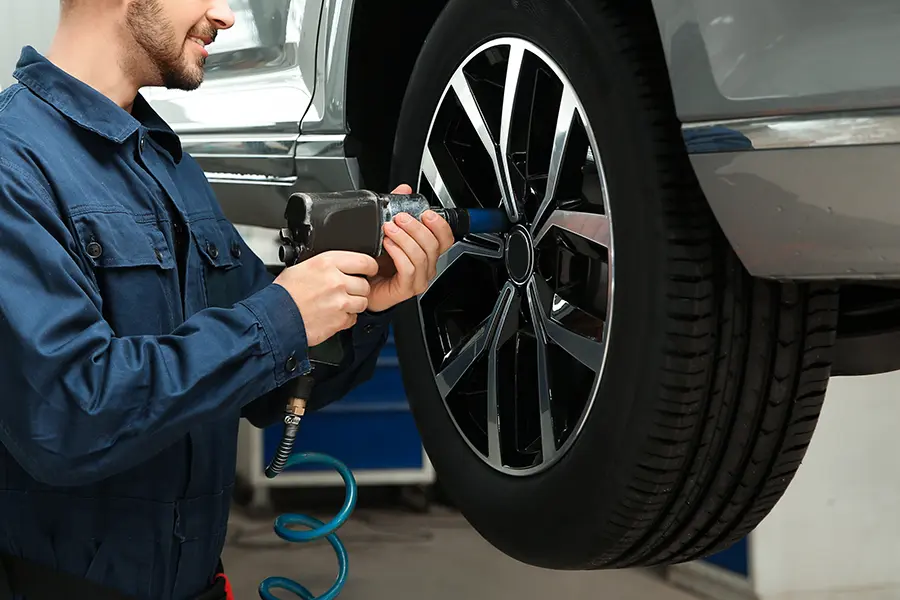
A technician doesn’t just shuffle tires around and call it a day. First comes a careful inspection for uneven tread wear, damage, or anything lodged in the rubber that shouldn’t be there. Then the correct rotation pattern is applied based on drivetrain layout — FWD, AWD, or RWD all have slightly different needs.
Sometimes a balance check or alignment inspection follows. That’s because uneven wear often hints at deeper issues like suspension geometry or steering calibration.
Why Regular Rotation Saves Money and Improves Safety
Even tire wear extends tire lifespan. That alone can delay replacement costs significantly. Consistent tread depth also improves grip in rain, snow, and loose gravel, which translates directly into better stopping performance and overall vehicle stability.
There’s another bonus. Properly worn tires roll more efficiently, which can slightly improve fuel economy. It’s not stylish. It’s not exciting. But it is the kind of maintenance habit that keeps your vehicle dependable long after others start developing expensive personality quirks.
Let Mile High Acura Check Out Them Tires
For drivers in Denver, CO, scheduling a tire rotation service at Mile High Acura is the best way to ensure your vehicle stays safe, efficient, and dependable. Whether you’re navigating snowy roads, mountain terrain, or daily traffic, our expert technicians will carefully inspect your tires and rotate them to maintain even wear, improve traction, and extend tire lifespan. Don’t wait until it’s too late – book your tire rotation appointment today at Mile High Acura and keep your ride smooth and secure!
Connect with us


